


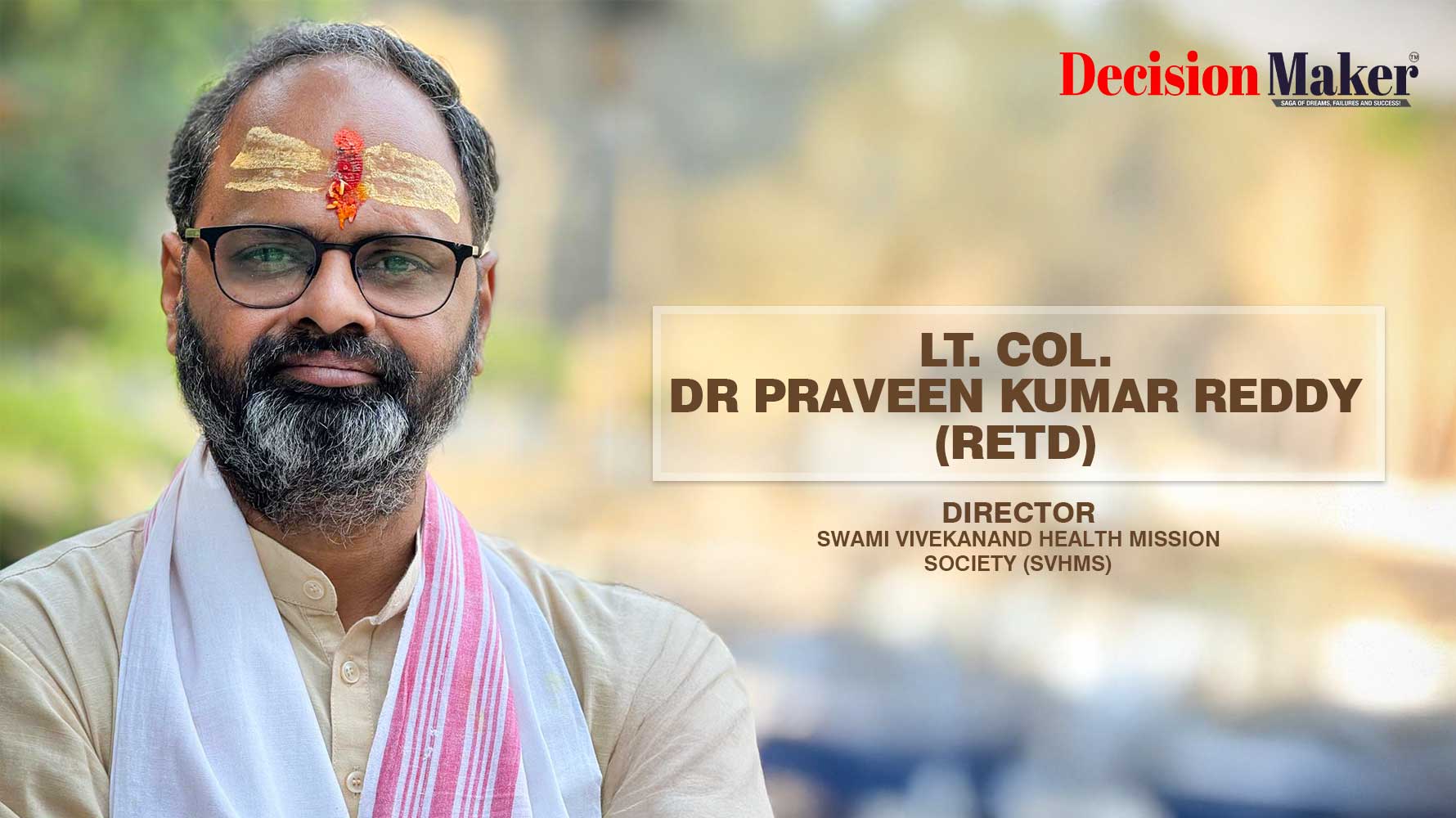
It’s the geography that decides how easily a person can access healthcare, especially in the remote mountains of the Himalayas and India’s tribal regions. Usually, cities have access to advanced hospitals and specialists, but at the same time, people living in isolated villages often struggle to get even basic medical attention. Even a simple health issue that could be treated easily can turn into a life-threatening condition because the nearest hospital for those people is miles away.
The local healthcare systems in such areas struggle due to a shortage of permanent doctors and specialists. This increasing pressure has led charitable hospitals to become a lifeline for local communities. These medical care institutions require organised medical volunteerism, allowing them to serve thousands of people.
Bringing Specialists Where They Are Needed Most
Operating a hospital in a remote mountainous setting can present various issues. Extreme weather, challenging travel conditions and few facilities make it difficult to recruit and maintain full-time medical specialists.
In order to meet the demand for services in these communities, many organisations providing volunteers practice a rotation model where doctors, including both experts with years of experience as well as medically qualified interns, are prepared to leave their practice and travel to a remote area hospital to do intensive, short-term work in the community.
They usually dedicate their time to provide care such as complex diagnostic procedures, surgery and emergency services over a 10-22 day period depending on the number of people needing assistance. People living in rural or remote areas receive much-needed care without having to travel for hundreds of kilometres to bigger communities where these services are available.
Taking Healthcare Beyond Hospital Buildings
Volunteer work is not limited to servicing people at the hospitals alone.
Mountain regions are often impacted by landslides, heavy rains and damaged roads. It makes it difficult for people to even reach nearby clinics. In such situations, volunteer teams conduct mobile health camps and set up temporary, and in some cases, even permanent, healthcare facilities in remote locations.
Doctors, pharmacists and local health workers travel through difficult terrains to provide healthcare directly to communities.
These camps help identify and treat common but often ignored chronic health problems such as anaemia, high blood pressure, and diabetes. The necessity of these mobile teams becomes acutely visible during peak tourism and pilgrimage seasons. Data from mid-2026 highlights a critical healthcare crisis in India’s high-altitude regions, where a massive influx of over 40 lakh pilgrims caused a severe surge in medical demand, resulting in over 200 health-related deaths. In response, volunteer-led emergency support centres on trekking and pilgrimage routes provide immediate, lifesaving care for people facing acute altitude-related health risks.
Building Stronger Local Healthcare Systems
While treating patients is one of the many things that volunteers do, their support has far better effects on the overall stability of healthcare systems in these communities for many years to come.
While working alongside the local healthcare teams, the volunteers share their knowledge, skills and expertise with the local healthcare team members. Nurses, technicians, and physicians can all get their assistance to provide a higher level of medical treatment within their communities. This will lead the community members to stay confident in their abilities, even when the volunteers move to other regions.
Expert volunteers also work with the local health care professionals to promote prevention through education, especially related to topics like maternal health, nutrition and early detection of disease. In promoting health and wellness
The primary focus is not only to provide short-term support to the communities, but to offer the tools and resources needed to become increasingly self-sufficient and prepared for the future.
Turning Healthcare into a Reality for Everyone
Charitable hospitals in remote regions are not just providing free treatment; they are also protecting families from the heavy financial burden of medical expenses. Rural families most often cannot afford such expenses, especially when they can lead to serious economic issues.
Dedicated medical volunteers join charitable organisations selflessly, offering their resources to improve hospital facilities, maintain medical equipment, and provide better medicines to the people who are mostly overlooked and underserved.
In such situations, medical volunteerism proves that even in places where geography creates huge barriers, the efforts of the community altogether can still make healthcare accessible to everyone with compassion and teamwork.
Read More:

